Monkey Numbers Review for Real Embroidery Projects
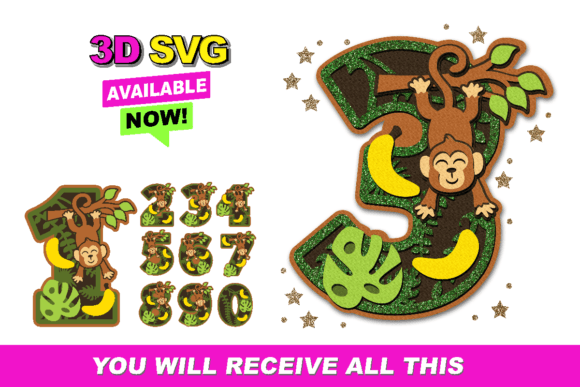
When I first unzipped the Monkey Numbers SVG collection, I was immediately drawn to its clean and playful aesthetic. The numbers 0-9 are presented in a stylized, almost whimsical format—perfect for adding charm to personalized items without being overly childish. As an embroidery designer who often works on both custom apparel and boutique products, I appreciate how each number feels intentionally crafted with subtle curves and rounded edges that invite warmth into any project.
A Natural Fit for Handmade and Personalized Gifts
Monkey Numbers has a distinct visual personality that leans toward fun but still maintains enough elegance to be appropriate for various age groups. This makes it ideal for projects like custom sweatshirts, embroidered patches, or even baby clothes where a balance between cuteness and sophistication is key. The layered structure of the design suggests it’s meant for appliqué-style embroidery, which aligns well with the laser cutting aspect mentioned in the product description. It’s not just about aesthetics—it's about functionality too.
I can see this design working especially well for birthday-themed handmade products. Whether you're making a tote bag for a child’s party or a more refined apron for an adult celebration, the numbers add a touch of individuality. They also translate beautifully onto soft goods like pillow covers or tea towels, where their shape remains bold yet gentle on the eye.
How It Performs in Real-Life Embroidery Scenarios
In my experience, a design’s real value comes out when it’s applied to actual fabric. With Monkey Numbers, I tested it on a few common materials used in small shop product lines: medium-weight cotton, stretchy knits, and even some textured linen blends. Here's what I observed:
- Sweatshirt Embroidery: The numbers stitched cleanly on cotton-blend sweatshirts using satin stitch around the outline and fill stitch inside. Their thickness added a nice dimension without overwhelming the garment.
- Baby Clothes: On lightweight onesies, the design held up well as long as I used proper stabilizer. The rounded corners felt safe and non-irritating for delicate skin.
- Tote Bag Design: When applied to a canvas tote, the design had great durability and stood out visually. Customers would likely love receiving a personalized gift with such clear, charming typography.
- Embroidered Patch: The layered files worked perfectly for creating a patch with a raised look. The detail level allowed for neat trimming after stitching, giving a polished finish.
What stands out is how versatile these designs feel across different mediums. For an Etsy seller or a craft business owner, having access to SVG files that easily integrate into Silhouette Studio or Cricut Design Space is a big plus. It streamlines the process of designing mockups and allows for quick customization based on client preferences.
Where Caution Is Needed
While Monkey Numbers is a solid choice for many embroidery applications, there are a few scenarios where extra attention is required:
- Small Hoop Sizes: The design might lose clarity if you attempt to fit multiple numbers into a tiny hoop. Each digit needs breathing room for the stitch paths to maintain integrity.
- Textured or Thin Fabrics: Stitch density becomes crucial here. If you're using a thin or loosely woven material, consider adjusting the fill stitch or using a lighter thread weight to avoid puckering.
- Stretchy Materials: Stretchy fabrics can distort the final appearance. Always test on scrap before committing to a finished product.
- Dark Fabric Backgrounds: The default thread color contrast may not pop as intended. I recommend checking thread colors against your chosen fabric to ensure visibility and vibrancy.
- Curved Surfaces: When applying to curved surfaces like caps or hats, slight resizing and repositioning might be necessary to keep the numbers from looking warped post-stitching.
- Dense Stitch Areas: If you plan to combine Monkey Numbers with other intricate designs, be mindful of stitch count and overall coverage to avoid overworking the fabric.
These considerations aren’t deal-breakers but rather reminders that every design has its optimal use case. Monkey Numbers is no exception, and understanding those nuances ensures better results and customer satisfaction.
Design Notes for Maximum Impact
Here are a few practical tips I’ve gathered while working with Monkey Numbers:
- Test First: Always stitch a sample on scrap fabric before moving to the final product. This helps catch issues like distortion or thread tension early.
- Check Thread Color Contrast: Especially important for light-colored numbers on dark backgrounds. A white or pastel thread might not show up as well as expected.
- Review Stitch Density: Dense areas can cause puckering, especially on delicate fabrics. Adjust accordingly to preserve the design's quality.
- Confirm Hoop Size: Ensure your hoop can accommodate the full size of the number you’re using. Cropping or scaling down should be done carefully.
- Inspect Small Details: Because these are numbers, they don't have letters' complexity, but check for any tiny elements that might break during transfer or stitching.
- Use Proper Stabilizer: Depending on your fabric, a tear-away or wash-away stabilizer could make a difference in how smoothly the embroidery turns out.
- Test in Black and White Mockups: This helps visualize how the design will appear in grayscale or on monochrome prints, which is essential for printable mockup creation.
- Compare Light and Dark Fabrics: Seeing how the design reacts to different backgrounds gives insight into its adaptability for varied product lines.
- Commercial Use Readiness: While the product mentions it includes digital embroidery files, always verify licensing terms before using them in commercial work or selling digital assets.
Visual Appeal and Brand Consistency
One of the most noticeable aspects of Monkey Numbers is its visual appeal. The rounded, slightly exaggerated forms give each number a friendly vibe, which can enhance the giftability of any product. From a branding perspective, it supports consistent themes in a craft business or boutique line. If your shop focuses on modern yet warm designs, these numbers can serve as excellent building blocks for cohesive collections.
The design’s clarity is another strength. Even at a distance, the numbers remain legible and recognizable, which is vital for anything that needs to communicate quickly—a birthday banner, a numbered holiday gift tag, or a custom cap for a team. This kind of recognition builds customer trust and elevates the professionalism of your work.
Final Thoughts for Embroidery Project Success
Monkey Numbers isn’t just another set of digits to throw on a product. It’s a thoughtfully structured machine embroidery design that adds character and charm. Whether you're an apparel decorator, a digital product seller, or a hobbyist exploring new creative avenues, this design offers flexibility and style.
It’s particularly fitting for personalized gifts and small shop merchandise, where uniqueness matters. But remember, with all good embroidery file sets, preparation is everything. Test thoroughly, adjust settings to suit your materials, and keep the end use in mind. That way, you’ll ensure the final product looks professional and meets customer expectations.
If you're planning to sell finished items or digital embroidery files, double-check licensing to avoid legal hiccups later. And for those who create printable mockups or preview images for Etsy listings, the design's boldness translates well to digital formats—just confirm how it appears in black and white variations.
In short, Monkey Numbers is a strong addition to your design assets if you're aiming for something memorable, clean, and adaptable. Just approach it with the care it deserves, and you'll find it shines in both personal and commercial embroidery projects.