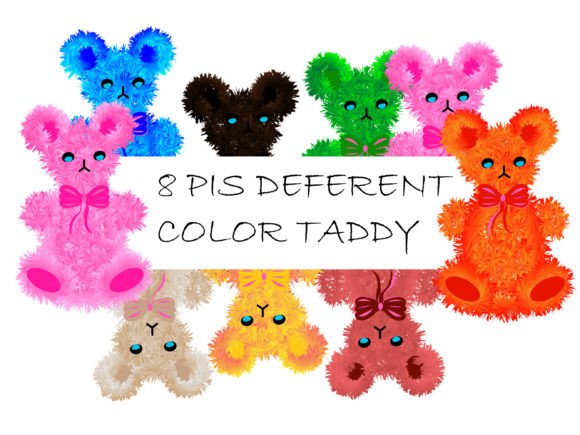
Realistic 3D Fur Effect Cute Teddy Bear Graphics for Editorial Design
In the world of digital publishing, the difference between a scroll-past and a click-through often comes down to visual hierarchy and emotional resonance. As a blog designer who has spent years optimizing content for both readability and engagement, I approach every new graphic design asset with a critical eye. We are not just looking for something that looks pretty; we are looking for elements that support our brand identity, enhance user trust, and drive performance metrics like click-through rates (CTR) and time on page.
Recently, I evaluated a specific product titled Realistic 3D Fur Effect Cute Teddy Bear. At first glance, it might seem like a simple clipart element, but when you look at it through the lens of professional editorial design, it reveals a surprising amount of utility. This review breaks down how this asset fits into real-world workflows for bloggers, affiliate marketers, online educators, and creative entrepreneurs.
First Impressions: Mood and Editorial Fit
The immediate impression of the Realistic 3D Fur Effect Cute Teddy Bear is one of warmth and tactile comfort. The "realistic" aspect of the description suggests high-fidelity rendering, which is crucial for modern web design. In an era where users are bombarded with flat, generic vector icons, a design that mimics texture and depth stands out. It creates an editorial mood that is playful yet polished. It feels lifestyle-focused, leaning towards the feminine or family-oriented niches, but its clean presentation allows it to work in educational or wellness contexts as well.
For content creators in niches such as parenting, early childhood education, gift guides, or even mental health (where comfort is a key theme), this asset provides an instant visual cue. It signals to the reader that the content is approachable and safe. When used correctly, it enhances the visual hierarchy of a page by drawing the eye without overwhelming the text. It supports a narrative of care and attention to detail, which can subtly improve reader trust—a vital component for any site relying on ad revenue or affiliate marketing.
Integrating Into Real Publishing Workflows
So, where does this asset actually live in your content ecosystem? Based on the file structure provided—which includes PNGs at 300 dpi, JPGs, PDFs, and SVG files—the versatility is high. Here is how I recommend deploying these graphics across your digital properties:
- Pinterest Pins and Social Media Previews: Pinterest is a visual search engine. A high-resolution, textured image like a realistic teddy bear performs exceptionally well because it stops the scroll. Use the PNG versions with transparent backgrounds to overlay on vibrant gradient backgrounds or lifestyle photography. This is ideal for social media graphics aimed at driving traffic to holiday gift guides or back-to-school articles.
- Blog Featured Images and Headers: For article headers, use the SVG version to ensure crisp scaling across all screen sizes. Pair the teddy bear with bold typography to create a balanced composition. This helps establish a consistent brand identity for series-based content, such as "Cozy Reading Nights" or "Gift Guide 101."
- Digital Products and Lead Magnets: If you sell digital downloads, worksheets, or eBooks, this asset can serve as a cover image or an internal divider. The inclusion of PDF and SVG files makes it perfect for printable design projects. Imagine a downloadable "Bedtime Routine Checklist" for parents; the teddy bear adds thematic relevance that increases the perceived value of the freebie.
- Newsletter Graphics: Email marketing requires strong visual anchors. Use the bear as a header accent in your monthly newsletter to break up text blocks and add personality. This keeps your content marketing efforts feeling fresh and human-centric.
- Affiliate Content Visuals: For affiliate marketers reviewing baby products, plush toys, or home decor, this graphic can act as a placeholder or decorative element in comparison tables, making the data easier to digest.
Performance Benefits: Why Visual Quality Matters
Using a high-quality design asset like this directly impacts your site's performance metrics. First, it creates a stronger first impression. Users judge the credibility of a website within milliseconds; polished visuals suggest professionalism and attention to detail. Second, it improves click-through potential. On social platforms and search results, unique textures stand out against the sea of flat designs.
Furthermore, consistency is key to building a loyal audience. By using the same style of imagery—such as the realistic fur effect—you create a recognizable aesthetic. This aids in category recognition, helping readers instantly identify your content type when they see it in their feed. Whether you are creating Canva templates for your audience or designing your own site, maintaining this level of quality reinforces your authority as a publisher.
Strategic Placement: Where It Works Best
To maximize the impact of the Realistic 3D Fur Effect Cute Teddy Bear, place it in areas designed for engagement and conversion:
- Hero Images: Large-scale usage on homepage banners sets the tone for your entire brand.
- Article Thumbnails: Smaller, cropped versions can serve as distinctive icons for specific post categories.
- Editorial Accents: Use as small decorative elements beside pull quotes or callout boxes to add visual interest without cluttering the layout.
- Downloadable Resources: As mentioned, these are excellent for printables and digital guides, adding a touch of whimsy to functional documents.
Cautionary Notes: Where to Use Carefully
No single asset fits every context. There are scenarios where this teddy bear graphic should be avoided or used with extreme caution:
- Small Mobile Thumbnails: At very small sizes, the detailed fur texture may blur or become muddy. Always test how it renders on mobile devices before committing to it as a primary thumbnail.
- Text-Heavy Blog Images: Avoid placing this over dense blocks of text. It competes for attention. Instead, use it in whitespace-heavy layouts.
- Serious Professional Niches: If you are writing about corporate finance, legal advice, or serious medical topics, a cute teddy bear may undermine your authority. Reserve this for lifestyle, education, or creative niches.
- Low-Contrast Backgrounds: Ensure there is sufficient contrast between the bear and the background to maintain accessibility standards. A light-colored bear on a white background will disappear.
Practical Publisher Notes for Implementation
Before integrating this creative design into your workflow, keep these technical checks in mind:
Test Across Devices: Preview the asset on desktop, tablet, and mobile screens. Check how it looks as a thumbnail in RSS feeds and social media previews.
Typography Pairing: Experiment with different font styles. The softness of the teddy bear pairs well with serif fonts for a classic editorial look, sans-serif fonts for a modern clean aesthetic, or script fonts for a personal, handmade feel. Test it alongside handwritten and display fonts to find the right balance.
File Size and Performance: Even though the source files are high resolution (300 dpi), you must optimize them for the web. Compress images properly to reduce load times. A slow-loading site hurts SEO and user experience, regardless of how beautiful the graphics are.
Licensing Verification: Confirm the commercial license terms. Since you intend to use this on monetized websites, affiliate pages, or paid content products, ensure you have the right to use the asset commercially. The inclusion of SVG files is a bonus for scalability, but always verify if redistribution is allowed.
In conclusion, the Realistic 3D Fur Effect Cute Teddy Bear is more than just a cute image; it is a strategic tool for enhancing editorial quality and reader engagement. When used thoughtfully within a cohesive brand identity, it can elevate your blog from a simple information repository to a polished, trustworthy publication. For designers and publishers looking to add warmth and professionalism to their digital products and web design, this asset offers a solid foundation for creative expression.