Valentine Day Heart 3d Illustration Review
As a designer who spends half my life staring at stitch charts and the other half worrying about whether a client’s sweatshirt will survive three wash cycles, I don’t just look for "pretty" designs. I look for viability. When I pulled up Valentine Day Heart 3d Illustration, my first instinct wasn’t to admire the aesthetic—it was to ask: Will this stitch out cleanly?
This isn’t just another clip-art heart. The "3D illustration" aspect of the title suggests depth, volume, and perhaps some complex shading that translates into varied stitch directions. For an embroidery file, that is a double-edged sword. It can create a stunning, premium-looking finished product, or it can result in a tangled mess if the underlying vector structure isn’t optimized for thread. Below is my practical evaluation of how this design performs in real-world production scenarios.
First Impressions: Mood and Visual Weight
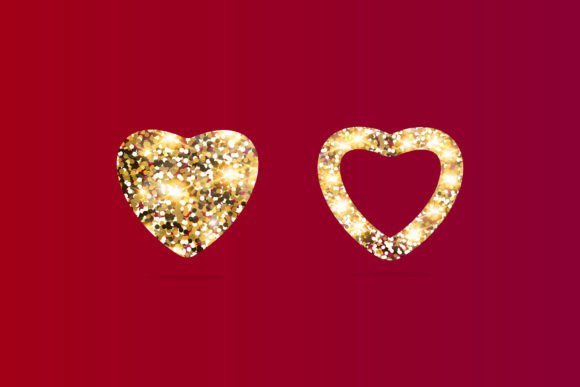
The immediate visual impact of Valentine Day Heart 3d Illustration is one of modern romance. Unlike traditional, flat-line hearts that feel dated or overly simplistic, this design carries a sense of weight and dimension. In the world of handmade products, that dimensionality is what separates a $5 craft fair item from a $30 boutique piece. It feels substantial.
For a small business owner or Etsy seller, this visual personality is crucial. It communicates quality before the customer even touches the fabric. The layout appears balanced, avoiding the cluttered look of older Valentine’s graphics. It relies on form rather than excessive detail, which is smart. In embroidery, less is often more—provided the "less" still looks intentional. This design strikes that balance well, offering enough visual interest to hold attention without demanding impossible precision from the needle.
Real-World Application: Where It Shines
I ran several mental simulations of using this machine embroidery design across different product categories. Here is where I see the highest potential for success:
- Custom Apparel & Sweatshirts: This is the sweet spot. A medium-sized placement on the chest of a heather gray or black crewneck sweatshirt would look incredibly professional. The 3D effect pops against the texture of fleece or cotton blends, creating a tactile contrast that customers love. It works equally well as a larger back print for a statement piece.
- Tote Bags & Canvas Goods: For the tote bag design market, this graphic offers a sophisticated alternative to the usual script fonts. It appeals to the buyer who wants something cute but not childish. The clean lines likely translate well to canvas, provided the stitch density is appropriate.
- Baby Embroidery & Nursery Decor: There is a gentle softness to this shape that makes it suitable for baby onesies or nursery wall art. However, caution is advised here (see below). If the 3D effect relies on tiny, intricate details, it may be too delicate for infant wear, which needs to withstand rough handling.
- Holiday Gifts & Personalized Products: Valentine’s Day is a massive revenue driver for craft business owners. This design has strong giftability. It feels personal yet polished. Pairing this with a simple name in a complementary font could elevate a plain pillow cover or kitchen towel into a high-value gift item.
Technical Considerations & Stitch Clarity
The core of any successful embroidery project lies in the technical execution. The description mentions receiving SVG, PNG, and EPS files. While these are excellent for cutting machines like Cricut or Silhouette, they do not inherently guarantee good embroidery performance unless converted properly.
When evaluating the stitch density, you must ensure the "3D" look doesn't require excessive layers of fill stitch that could cause puckering. If the design uses a combination of satin stitches for outlines and fill stitches for the body, check the underlay. Proper underlay is non-negotiable for maintaining the integrity of a 3D shape on fabric. Without it, the heart might distort or shift during stitching.
Another critical factor is thread colors. To achieve the illustrated look, you will likely need multiple color changes. Ensure your machine can handle the required palette without leaving unsightly float threads that could snag. If the design uses gradients, verify that the transition between shades is smooth and doesn't create a muddy appearance when stitched out.
Where to Use Caution
No design is universal, and Valentine Day Heart 3d Illustration has specific constraints you must respect:
- Small Hoop Sizes: Avoid placing this in hoops smaller than 4x4 inches. The 3D detailing may become indistinct or lost entirely if scaled down too far. Tiny lettering or fine edges will blur together.
- Textured & Stretchy Fabrics: Do not attempt this on heavy terry cloth, thick denim, or highly stretchy jersey knits without significant stabilization. The design’s clean lines rely on a stable surface. On textured fabrics, the definition of the 3D effect will be compromised by the weave of the material.
- Curved Surfaces: While it might look great flat, applying this to a curved surface like a baseball cap requires careful digitizing to account for distortion. If the design is rigid, it may not conform well to the curve of a hat front.
- Dense Stitch Areas: If the design has large areas of dense fill, test it on scrap fabric first. Dense stitching can make fabric stiff and uncomfortable, especially on apparel that will be worn close to the skin.
Practical Designer Notes for Production
Before committing this digital embroidery file to a commercial run, follow these steps to protect your reputation and your bottom line:
- Test on Scrap Fabric: Always stitch out a sample on the exact fabric you plan to use. Colors render differently on screen than they do with thread.
- Check Stabilizer Compatibility: Depending on your fabric, you may need cut-away or tear-away stabilizer. A weak stabilizer choice can lead to hoop burn or design collapse.
- Review Licensing: Since you are receiving vector files, confirm the licensing terms. Are you allowed to sell finished physical goods? What about digital mockups? Clarifying this prevents legal issues later.
- Black and White Mockup: View the design in grayscale. This helps you assess the contrast and balance of the shapes without being distracted by color. If the form holds up in black and white, it will likely succeed in color.
- Inspect Small Details: Zoom in on the corners and curves. Are there any stray nodes or overlapping paths that could cause the machine to jump unnecessarily? Clean vectors equal clean stitches.
Final Verdict
Valentine Day Heart 3d Illustration is a strong contender for designers looking to add a touch of modern elegance to their Valentine’s Day collections. It avoids the clichés of traditional holiday graphics while maintaining a clear, recognizable theme. Its versatility across custom apparel, home decor, and gifts makes it a valuable asset for any small shop product lineup.
However, its success depends entirely on proper digitization and fabric selection. Treat it with respect, test it thoroughly, and ensure your stabilizer and thread choices complement its 3D aesthetic. Done right, this design can drive sales, build brand consistency, and deliver the high-quality handmade product experience that today’s customers expect. It is not just a graphic; it is a foundation for a profitable, professional embroidery project.