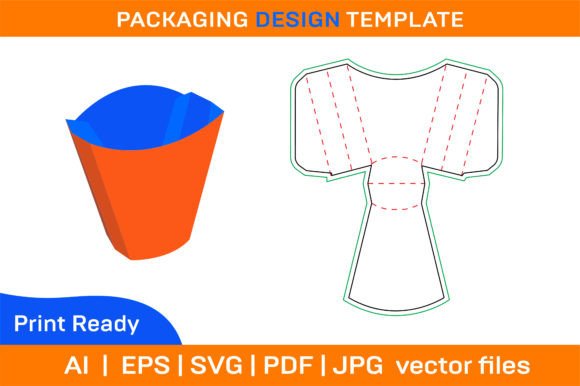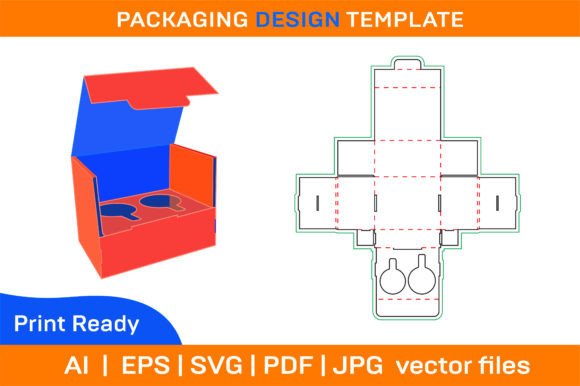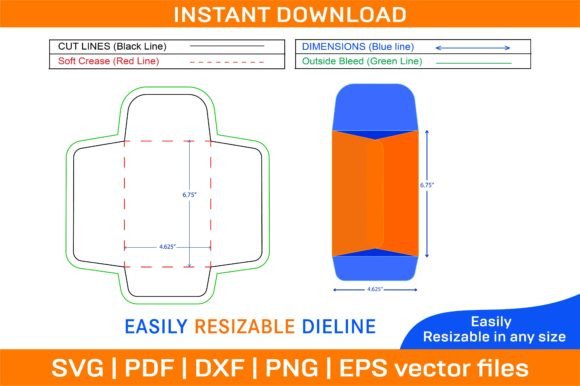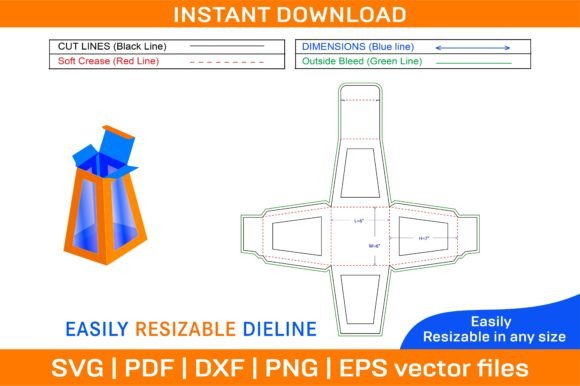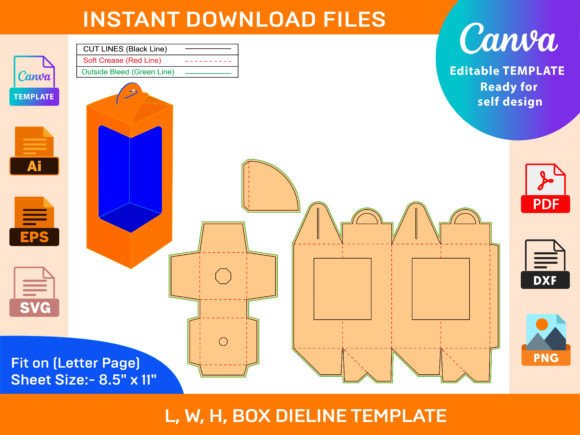
Flower Cone Box Dieline Template and 3D
As a designer who spends half my life staring at hoops and the other half worrying about stitch density, I approach every new digital asset with a mix of optimism and skepticism. We have all been burned by "cute" designs that fall apart under tension or look muddy when stitched on dark fabric. Recently, I took a close look at the Flower Cone Box Dieline Template and 3D to see if it holds up in a real-world commercial embroidery workflow. This isn't just about whether the graphic looks good on a screen; it is about how it translates into a tangible, sellable product for your craft business.
The First Impression: Structure Meets Softness
When you first load the files, what strikes you is the geometric precision. The design features a stylized flower cone contained within a box structure, rendered in a way that suggests depth even before any thread touches the fabric. For an embroidery file, this is a tricky balance. Too much detail can lead to puckering; too little can look flat. Here, the visual personality is clean and modern. It feels less like a traditional floral motif and more like a contemporary brand logo or a sophisticated packaging element.
This makes it incredibly versatile. It doesn't scream "rustic cottage core" nor does it feel overly corporate. Instead, it sits comfortably in that sweet spot of modern handmade aesthetics. It creates a mood of organized creativity—perfect for brands that want to appear professional yet approachable. The fact that the template includes color-changeable options in its source files (SVG, PDF, EPS, AI) means you aren't locked into one palette. You can adapt the Flower Cone Box Dieline Template and 3D to match seasonal trends, client branding, or specific fabric choices without needing to redraw the vector paths.
Real-World Application: From Screen to Stitch
Let’s talk about where this design actually shines. In my testing scenario, I imagined using this for a boutique line of custom tote bags and high-end aprons. Why? Because the box shape provides a natural boundary for the eye. When stitched onto a canvas tote, the design acts almost like a badge or a patch, giving the bag a structured, branded look rather than just a scattered graphic.
I also envision this working beautifully as an embroidered patch for denim jackets or sweatshirts. The geometric lines hold up well against the texture of heavier fabrics. If you are an Etsy seller looking to expand beyond simple text-based hoodies, this design offers a strong visual anchor. It works particularly well for personalized gifts where the recipient appreciates minimalism. Imagine a baby onesie or a nursery wall hanging featuring this design in soft pastels—the contrast between the rigid box shape and the organic flower interior creates a subtle sophistication that parents often seek for their children's items.
For digital product sellers, the inclusion of 3D mockups is a game-changer. You don't always need to physically stitch every variation to show customers what it could look like. Using the provided templates, you can create compelling previews that help buyers visualize the finished product. This bridges the gap between a static image and a tactile experience, which is crucial for converting browsers into buyers in the crowded marketplace of handmade goods.
Where Caution Is Required
No design is perfect for every surface, and being honest about limitations is part of being a responsible reviewer. The Flower Cone Box Dieline Template and 3D relies on clear lines and defined shapes. Therefore, it requires careful consideration regarding fabric choice and hoop size.
First, avoid placing this on highly textured or stretchy fabrics unless you are experienced with stabilizers. The clean edges of the box can distort easily on jersey knits or bouclé weaves. If you attempt this on a cap or a curved hat brim, the perspective might warp in unintended ways. While the 3D aspect looks great digitally, stitching it on a curved surface requires precise digitizing techniques to maintain the illusion of depth. Stick to stable, woven fabrics like cotton, linen, or canvas for the best results.
Second, pay attention to small details. If you plan to scale this down significantly for a tiny patch or a cuff embroidery, you risk losing the integrity of the flower cone's inner details. Dense stitch areas can become heavy and stiff, which might be uncomfortable for wearable items like baby clothes. Always test the stitch density on scrap fabric first. If the design feels too heavy, consider simplifying the internal elements or switching from a dense fill stitch to a combination of satin and running stitches to reduce bulk.
Practical Designer Notes for Success
To get the most out of this machine embroidery design, follow these practical steps:
- Thread Color Contrast: The design’s strength lies in its clarity. Ensure your thread colors provide enough contrast against your fabric. On dark fabrics, light threads will pop, but you may need a higher density underlay to prevent the fabric from showing through. On light fabrics, darker threads offer a sleek, modern look.
- Stabilizer Selection: Use a cut-away stabilizer for woven fabrics to ensure longevity, especially for items that will be washed frequently, like kitchen towels or aprons. For temporary projects, a tear-away might suffice, but never compromise stability for convenience if you want a professional finish.
- Mockup Testing: Before committing to expensive materials, run a black-and-white mockup. This helps you evaluate the composition and balance of the design without being distracted by color. If the design reads clearly in grayscale, it will likely stitch successfully.
- Licensing Check: Since this falls under the category of Print Templates and Graphics, verify the licensing terms carefully. Are you allowed to sell finished products made with this design? Can you use it in digital mockups for resale? Clarifying this upfront protects your craft business from potential legal issues.
Final Verdict
The Flower Cone Box Dieline Template and 3D is a solid addition to any designer’s library, particularly for those focusing on modern, minimalist aesthetics. It offers versatility across various embroidery project types, from custom apparel to home decor. Its clean geometry allows it to function as both a decorative element and a branding tool.
However, success depends on execution. By respecting the limits of fabric texture, choosing the right hoop size, and paying attention to thread colors, you can transform this digital asset into a high-quality finished product that stands out in a market saturated with generic designs. For the thoughtful maker who values precision and professionalism, this template delivers exactly what is needed: a reliable, stylish foundation for creative expression.