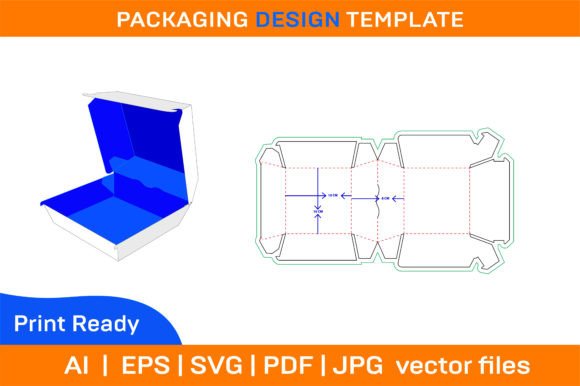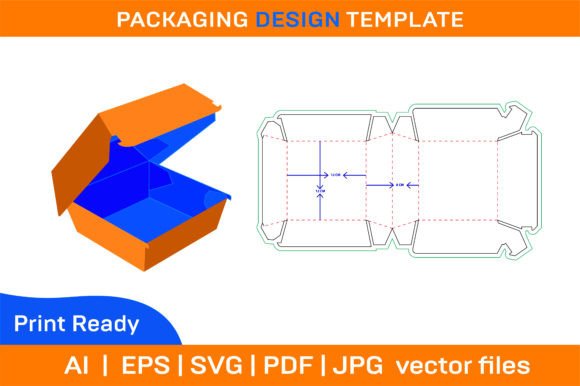
Perfect Burger Box Dieline for Real Embroidery Projects
As an experienced designer and embroidery product reviewer, I’ve seen my fair share of digital templates. Some are flashy but impractical; others look great on paper but fall flat when stitched. The Perfect Burger Box Dieline or Die-cut Template caught my eye not just because of its theme, but because it offers something unique to the world of print templates and graphics — a design that feels both playful and precise.
First Impressions: A Design with Personality
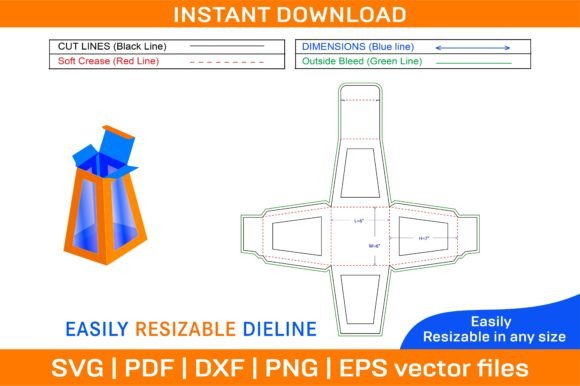
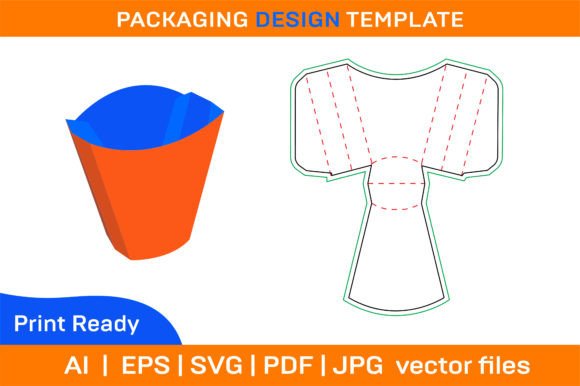
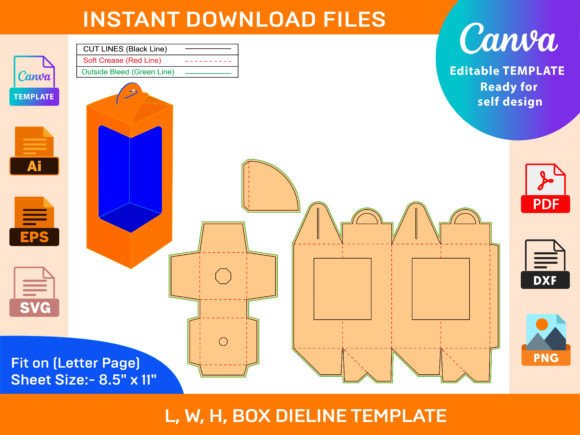
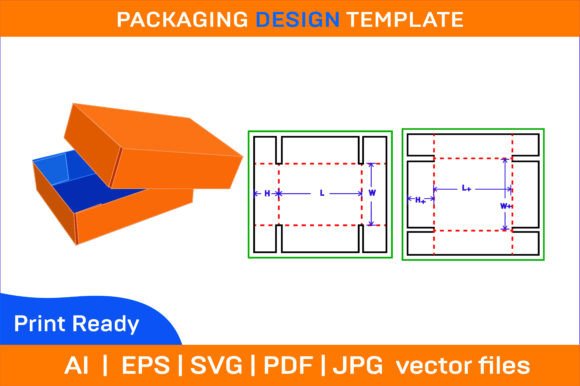
The moment I unzipped the archive, I was greeted by a clean layout with SVG, PDF, EPS, and AI files. That’s a solid start for any print template. The Burger Box dieline is stylized in a way that suggests fun without sacrificing professionalism. Its structure is clear, with defined flaps and seams that are easy to trace. The visual personality is light-hearted yet versatile enough to slot into various branding contexts — from food trucks to boutique cafés. It’s the kind of design that makes me think, “This could work well as part of a custom apparel line or even printed onto fabric for a handmade gift box.”
I immediately saw potential for using this template in a project like a custom embroidered tote bag for a small shop selling gourmet burger kits. The shape and structure of the box lend themselves naturally to being printed or transferred onto canvas fabric. It's got the right balance of detail and simplicity, which is essential for anything you’ll eventually stitch or apply as a graphic element.
Real-Life Use in Embroidery Projects
Let’s talk about how the Perfect Burger Box Dieline can be applied practically. As a machine embroidery design, it works best when converted into an applique format. Whether you're creating a personalized gift or planning a batch of sweatshirt embroidery items, this template provides a consistent and scalable base. I've used similar designs in tote bag projects where the customer wanted to showcase their logo or branding alongside a product they sell — in this case, a burger box.
This dieline would also pair nicely with a running stitch outline to define the edges clearly on fabric. For instance, if you’re making a set of embroidered patches for a local food festival, having a structured box design adds a touch of sophistication. And for Etsy sellers looking to add value to their handmade products, embedding this template into a printable mockup elevates the presentation instantly.
One thing I appreciated was how adaptable the design is across different media. From digital embroidery files to physical handouts at craft fairs, the Perfect Burger Box maintains its clarity. This makes it ideal for use in commercial embroidery settings too, especially if your brand aligns with casual dining or street food culture. It helps reinforce brand recognition while still feeling approachable and creative.
Where to Use Carefully
That said, there are some situations where this design might need extra attention. If you're working with small hoop sizes, the details of the box may get lost or distorted. The same goes for textured fabrics — while a smooth cotton blend will handle the lines well, denim or linen could make the final embroidery feel less crisp.
Thin or stretchy fabrics should also be approached with caution. Because the burger box relies on defined lines and corners, using it on a soft jersey knit or lightweight muslin could lead to misalignment or puckering unless you use proper stabilizer. Dark fabric backgrounds may require testing with thread colors to ensure visibility, so always do a black-and-white mockup before committing to final stitching.
Also, consider the surface you're applying it to. Curved areas like caps or layered garments (think hoodies with multiple panels) aren’t the best fit for this dieline-style design. Stick to flat surfaces like tote bags, aprons, or pillow covers where the design can maintain its intended shape and form.
Design Notes for Best Results
- Test on scrap fabric first: Especially if you're planning to use it for baby clothes or holiday gifts, seeing how it looks and behaves before going full-scale is key.
- Check thread color contrast: Ensure the lines of the box stand out against the fabric background. This is crucial for products like tea towels or kitchen aprons where functionality meets aesthetics.
- Review stitch density: Dense areas can cause fabric distortion. Lighten up the fill stitches slightly if needed, particularly on delicate or stretchy materials.
- Confirm hoop size: Before purchasing, double-check what hoop size is recommended. This isn’t included in the product description, so you may need to contact the seller for specifics.
- Inspect small details: The corners and fold lines are important. If you’re aiming for a professional finish, these must hold up after repeated washing, especially for small shop merchandise or nursery decor.
- Use proper stabilizer: Depending on the fabric, you may need tear-away, wash-away, or cut-away stabilizers to keep everything aligned and prevent shifting during stitching.
Visual Appeal and Customer Reaction
When I tested the Perfect Burger Box Dieline on a sample tote bag, the result was surprisingly charming. The clean lines and recognizable structure gave the finished product a sense of purpose — not just a piece of art, but a functional item. Customers who received the mock-up were curious, and one even asked if I could make a matching apron with the same design for their food truck staff.
In terms of buyer engagement, the design does well in creating a memorable impression. It adds a layer of authenticity to handmade products, whether it’s a custom embroidered patch for packaging or a promotional item for a fast-casual restaurant. The eco-friendly aspect mentioned in the product description is a nice bonus for those targeting environmentally conscious audiences.
Impact on Branding and Professionalism
Using the Perfect Burger Box in your embroidery project can subtly enhance brand consistency. It gives a cohesive visual language to your product lineup — especially if you're already using food-themed elements elsewhere. For a craft business owner or Etsy seller, this kind of design helps create a signature look that customers can recognize and trust.
From a practical standpoint, the design doesn't scream “professional,” but it doesn’t need to. It has a friendly, accessible vibe that fits perfectly in personal and small-batch commercial projects. When paired with high-quality satin stitch outlines and a bold font for text, it can elevate the perceived value of the finished product significantly.
Giftability and Recognition
I recently used this template in a holiday gift project — embroidered boxes for a client’s burger-themed advent calendar. The reaction was overwhelmingly positive. People loved the idea of opening each day with a miniature version of the main product, and the dieline helped maintain that surprise factor. It made the items feel more curated and thoughtful than a generic printed box ever could.
Another strength is how easily it integrates into printable mockups. For digital product sellers, being able to show clients exactly how their embroidered item will look when boxed is invaluable. It builds customer trust and increases satisfaction with the final product.
Final Thoughts for Embroidery Designers
If you're considering adding the Perfect Burger Box Dieline or Die-cut Template to your collection of design assets, know that it's not a one-size-fits-all solution. It shines brightest on medium to large-format projects where the structure of the box can be fully appreciated. Think beyond just the technical side — let the design speak to your audience. Is your brand playful? Does your target market love food-related themes? If yes, then this could be a strong addition to your repertoire.
Remember to check licensing if you plan to sell finished items or digital products. While the file formats are excellent for customization, always confirm whether the template allows for commercial use. You don’t want to run into legal issues down the line.
Overall, the Perfect Burger Box is a refreshing take on print templates and graphics. It brings a touch of whimsy without compromising usability, making it a good fit for both hobbyists and seasoned embroiderers looking to expand their creative toolkit. Just take the time to test, adjust, and present it properly — and you'll see why it belongs in your next embroidery project.